Cave-dwelling Bats Carry Antibiotic-Resistant Bacteria Salmonella spp. That Pose a Public Health Threat in West Nusa Tenggara, Indonesia
DOI:
https://doi.org/10.3986/ac.v54i1.13939Keywords:
Salmonella spp., bats, public health, resistance antibioticAbstract
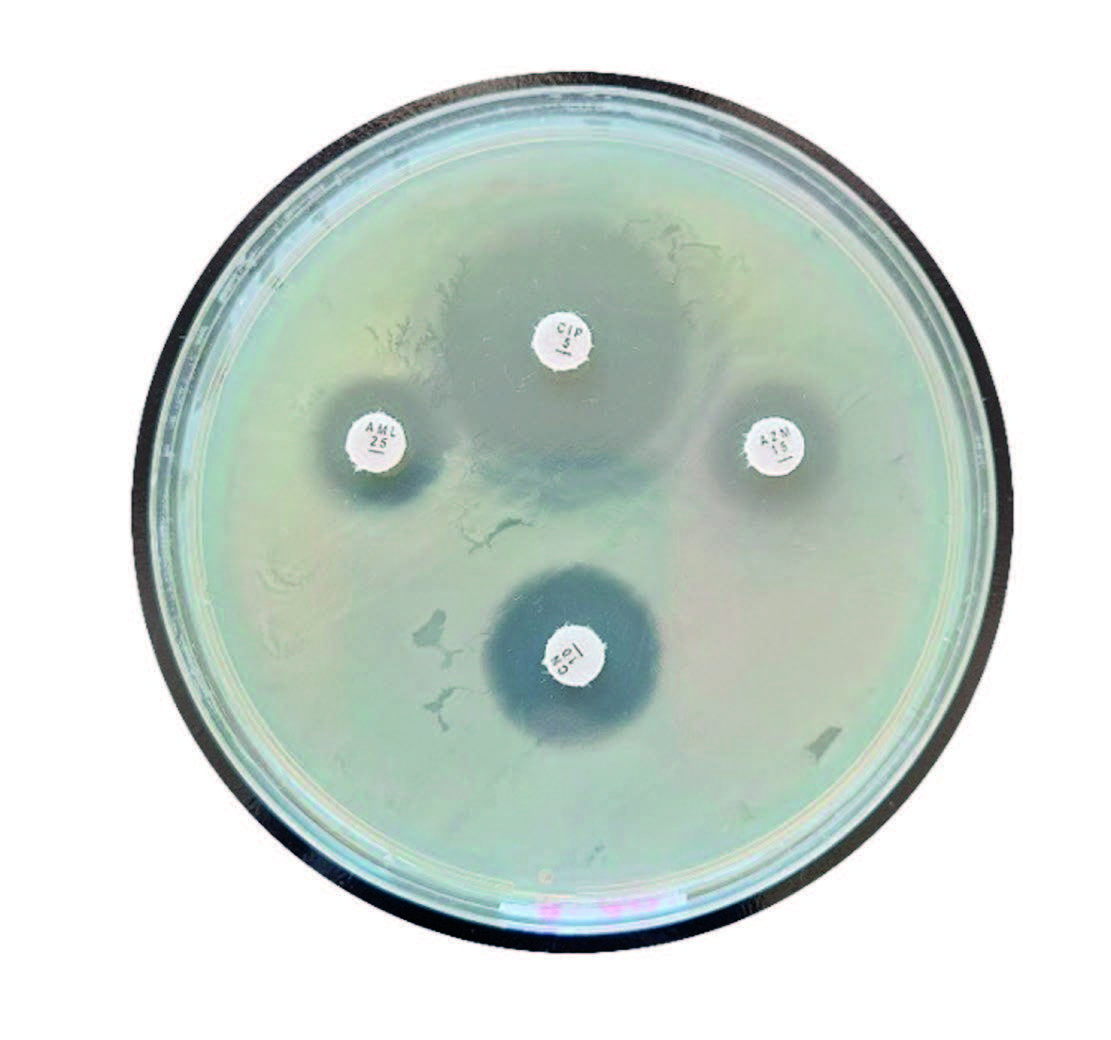
Salmonella spp. is a bacteria that can be transmitted between humans and bats through feces, food, and water contamination in the environment, causing foodborne illness. This bacterial infection will be more hazardous if the bacteria become resistant to antibiotics. Bats are wild animals that have the potential to spread resistant germs into the human environment because their habitats are where they live and forage is shrinking, forcing bats to migrate from their natural habitat to the human environment. Bats never receive antibiotics but can contaminated by bacteria was resistance antibiotics because they have close contact with humans, animals, and the environment. They are contaminated with resistant bacteria when they look for food and drink. Our research focuses on identifying the resistance that exists in Salmonella spp. bats in caves because it can endanger public health. The miss net is set at the cave’s mouth between 4 to 10 pm, the miss net is checked periodically. If a bat is caught, it is swabbed with a sterile cotton bud and then examined for Gram staining and biochemistry to identify bacteria. Salmonella spp. isolates were evaluated for antibiotic sensitivity with tetracycline, azithromycin, cefotaxime, amoxicillin, gentamicin, sulfamethoxazole/trimethoprim, and ciprofloxacin. We successfully isolated nine Salmonella spp bacteria. The sensitivity test results showed that Salmonella spp. bacteria from cave bats in West Nusa Tenggara, Indonesia, were resistant to the antibiotics azithromycin 77.7%, amoxicillin 22.2%, and tetracycline 11.1%.
Downloads
Downloads
Published
How to Cite
Issue
Section
License

This work is licensed under a Creative Commons Attribution 4.0 International License.
Authors guarantee that the work is their own original creation and does not infringe any statutory or common-law copyright or any proprietary right of any third party. In case of claims by third parties, authors commit their self to defend the interests of the publisher, and shall cover any potential costs.
More in: Submission chapter